Expensive home repairs are the category of homeownership that most people know is possible, and few are prepared for when it arrives. The repairs that produce the largest bills are almost always the result of deferred maintenance on the systems that cost the most to replace when they reach the point of failure. Understanding which repairs routinely land at the top of the cost spectrum, and what the early warning signs look like, is the information that separates a homeowner who plans from one who reacts.
The Issues That Consistently Top the Expensive Home Repairs List
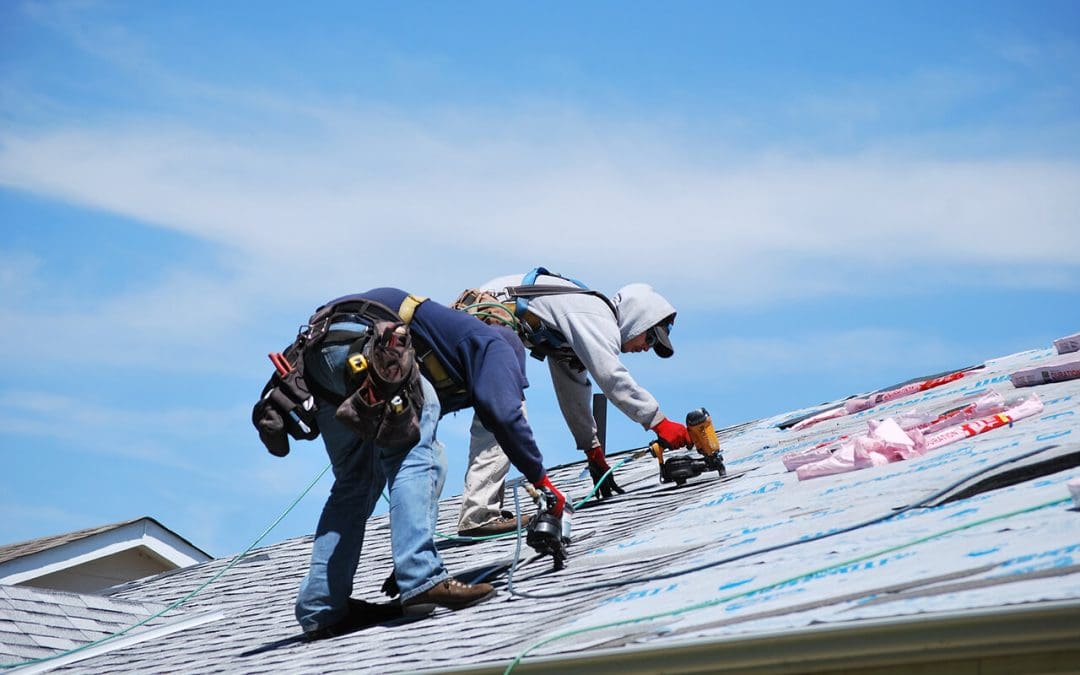
Foundation repair is among the most expensive home repairs a homeowner can face, with costs ranging from a few thousand dollars for minor crack injection to well over $30,000 for significant structural stabilization involving piering or underpinning. The warning signs are detectable well in advance: diagonal cracks at door and window corners, doors and windows that have begun sticking, visible gaps between walls and ceilings, and floors with a noticeable slope. Catching foundation movement early is dramatically cheaper than addressing it after settlement has progressed. A full roof replacement is one of the most reliably expensive repairs in residential ownership, typically running $8,000 to $20,000 or more depending on home size, roofing material, and roof geometry. What makes it particularly costly isn’t just the materials; it’s the damage an aging roof allows to accumulate in the attic and interior before replacement is scheduled. Water infiltration ongoing for even one season could add insulation replacement, mold remediation, and structural repair to the base cost of the roofing work itself.
Expensive Home Repairs That Sneak Up on You
A full HVAC system replacement catches many homeowners off guard because the system often functions until it doesn’t. Replacement costs typically run $8,000 to $15,000 for a complete system. The warning signs, such as increased cycling frequency, rooms that struggle to reach the set temperature, unusual sounds during operation, and rising energy bills, tend to appear one to two years before full system failure, representing the window where repair is still a viable option. Electrical system work is often deferred because the system appears to function normally. A panel replacement typically runs $2,000 to $4,000; partial rewiring of an older home can reach $8,000 to $15,000; full rewiring can exceed $20,000. Warning signs worth paying attention to include frequently tripping breakers, flickering lights, outlets that feel warm to the touch, and any burning smell near the electrical panel. Addressing these conditions proactively is almost always significantly less expensive than waiting for a failure or an insurance-driven ultimatum to force the work.
Sewer Line Replacement
Sewer line replacement is the expensive home repair most homeowners don’t consider until they’re standing in a backed-up basement. A full replacement typically runs $3,000 to $10,000 depending on depth, length, and whether the line runs under a driveway or landscaping that must be disturbed. A sewer scope inspection, which threads a camera through the accessible sewer line to assess its condition, is the preventive tool that identifies root intrusion, pipe collapse, and joint displacement before they produce a failure, typically costing under $200 and potentially saving multiples of that in emergency repair costs.
Lester’s Construction Company offers construction services in the Piedmont Triad area. Contact us to request an appointment.