Attic insulation is the home improvement with the highest return on investment that most homeowners overlook because the attic is out of sight, rarely visited, and doesn’t offer the immediate visual satisfaction of a kitchen update or a fresh coat of paint. But the attic is where more conditioned air escapes a typical home than through any other single location, and inadequate insulation means the HVAC system is working continuously to replace what’s being lost through the ceiling above every room. Addressing insulation isn’t a glamorous project; it’s one of the most financially impactful upgrades any homeowner can make.
What Attic Insulation Actually Does
Insulation slows the transfer of heat between the conditioned living space below and the unconditioned attic above, a process that operates in both directions depending on the season. In winter, heat generated by the heating system rises toward the ceiling and escapes into the attic if the insulation between the two spaces is inadequate, forcing the system to run longer to maintain the thermostat setpoint. In summer, the attic, which can reach temperatures well above ambient outdoor temperature due to solar heat gain through the roof, radiates heat downward into the living space when the insulation barrier is insufficient, driving up cooling loads and energy bills. Adequate insulation addresses both directions simultaneously, reducing HVAC runtime and energy consumption across all seasons. The U.S. Department of Energy estimates that homeowners who properly air seal and insulate their attics could reduce heating and cooling costs by up to 15 percent, a return that compounds every month the improvement is in place.
How Much Is Enough
The U.S. Department of Energy recommends attic insulation levels measured in R-value, resistance to heat flow, that vary by climate zone. For most of the continental United States, the recommended R-value falls between R-38 and R-60, with colder climates requiring the higher end of that range. Most existing homes fall significantly short of current recommendations, with insulation levels appropriate to the energy code at the time of construction but never updated as standards improved. A homeowner can assess existing insulation depth by measuring it against the attic joists and comparing to the R-value per inch for the insulation type present, fiberglass batts, blown cellulose, and blown fiberglass each have different R-values per inch that determine whether the existing layer meets current recommendations or needs to be supplemented.
Choosing the Right Attic Insulation for the Job
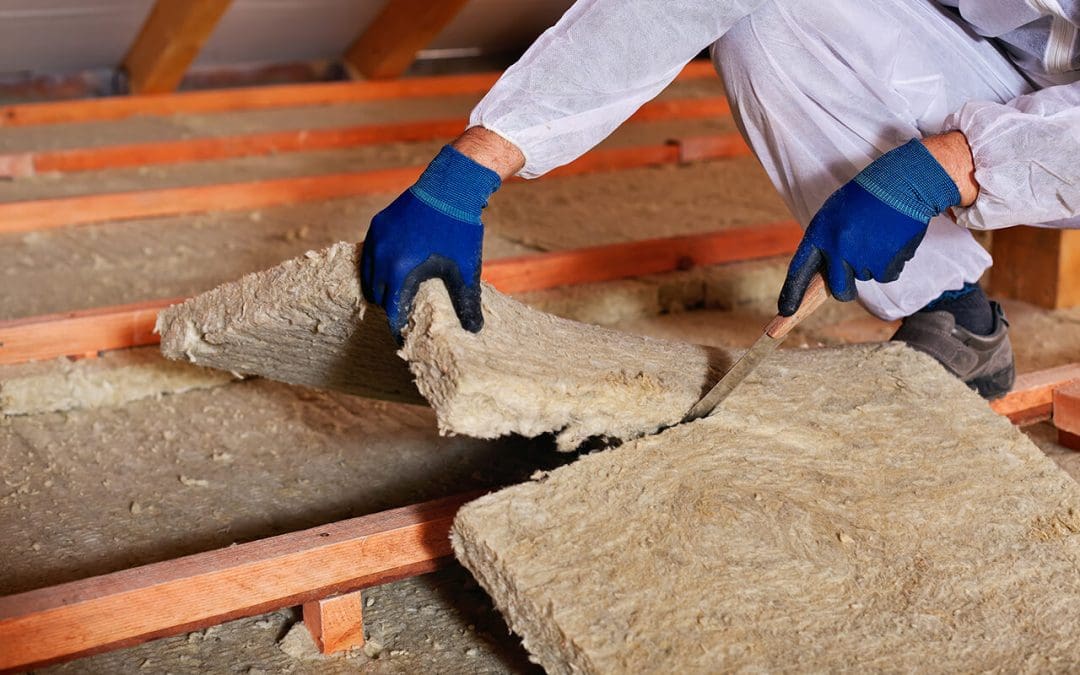
Blown insulation, either cellulose or fiberglass, is the most practical attic material for adding coverage to an existing attic because it fills irregularly shaped spaces, covers existing framing members completely, and can be installed over existing insulation without removing it. Fiberglass batts are appropriate for new construction attic floors with a defined joist cavity, but in an existing attic where joists are already partially covered, blown insulation produces a more complete and more effective result. Before any insulation is added, air sealing the penetrations in the attic floor, around recessed lights, plumbing stacks, framing gaps, and electrical penetrations, is the step that produces the most significant performance improvement and the one most commonly skipped. Insulation without air sealing allows conditioned air to bypass the insulation layer entirely through unsealed gaps, significantly reducing the effective performance of even a well-specified installation.
Lester’s Construction Company offers construction services in the Piedmont Triad area. Contact us to request an appointment.