Why Attic Ventilation Is the Unsung Hero of Your Home
Attic ventilation plays a critical role in protecting a home from moisture damage, high energy bills, and premature roof failure. Yet it’s often overlooked during construction or remodeling. For homeowners and builders alike, understanding how ventilation works can mean the difference between a durable, efficient home and one plagued by costly problems.
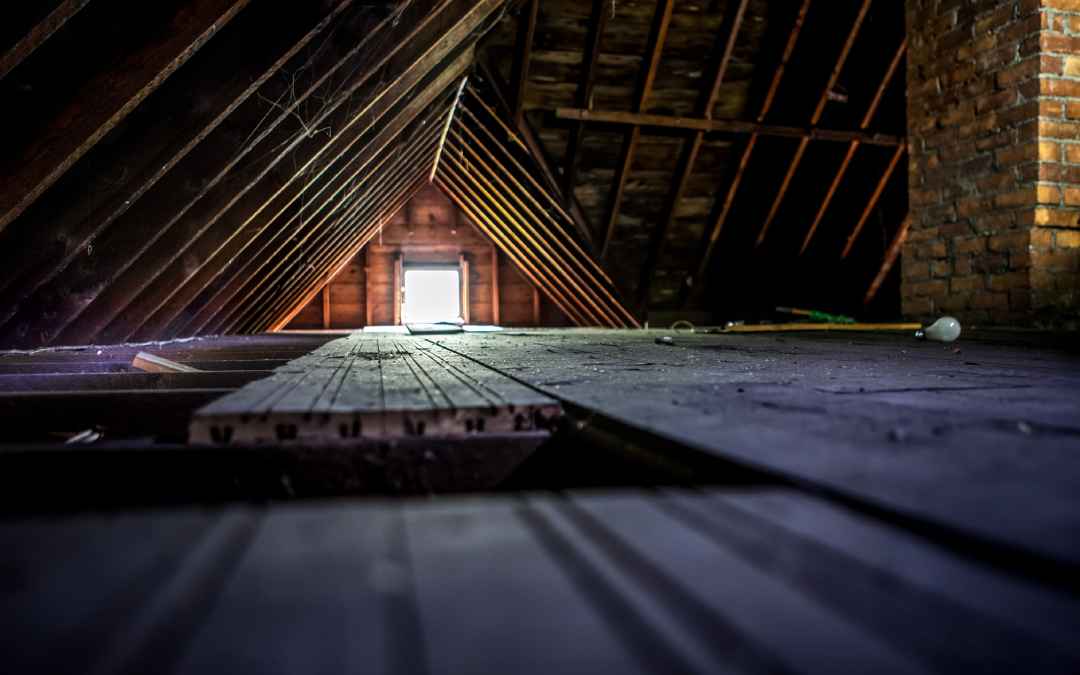
At its core, attic ventilation is about airflow. It allows fresh air to enter the attic while pushing stale, warm, or moisture-laden air out. This continuous exchange helps regulate temperature and humidity levels year-round. Without proper airflow, heat and moisture can become trapped, creating the perfect conditions for mold growth, wood rot, insulation damage, and shingle deterioration.
The attic may be out of sight, but what happens there directly impacts the comfort and longevity of the entire house.
How Attic Ventilation Protects Your Roof and Structure
During warmer months, attic temperatures can soar well above outdoor levels. When heat becomes trapped, it radiates downward into living spaces, forcing cooling systems to work harder. Over time, excessive heat can also bake roofing materials from the inside out, shortening their lifespan.
In colder seasons, the concern shifts from heat to moisture. Warm indoor air naturally rises into the attic. If it cannot escape, condensation forms on rafters and decking. This moisture can lead to mold growth, warped wood, and compromised structural integrity. Proper attic ventilation ensures that moist air exits before it causes damage.
Balanced systems typically rely on intake vents, often installed along soffits, and exhaust vents placed near the roof ridge. When designed correctly, this natural airflow keeps temperatures more consistent and prevents condensation buildup.
Energy Efficiency Starts in the Attic
Many homeowners focus on insulation when thinking about energy savings, but attic ventilation is just as important. Insulation slows heat transfer, while ventilation removes excess heat and moisture. Together, they create a controlled environment that supports HVAC efficiency.
In summer, effective ventilation reduces attic heat buildup, lowering the strain on air conditioning systems. In winter, it helps maintain a cold roof surface, minimizing the risk of ice dams forming along eaves. These frozen barriers can force water beneath shingles and into interior spaces, causing expensive damage.
For builders, incorporating proper attic ventilation into the design phase ensures code compliance and enhances overall home performance. For homeowners upgrading an existing property, evaluating ventilation can reveal hidden weaknesses that, once addressed, lead to noticeable comfort improvements.
Signs Your Attic Ventilation May Need Attention
Certain warning signs suggest that ventilation isn’t functioning as it should. Unusually high energy bills, uneven indoor temperatures, moldy odors, or visible frost in winter are all indicators of poor airflow. Curling shingles or premature roof aging can also point to trapped heat.
A professional inspection can determine whether the attic has balanced intake and exhaust vents and whether insulation is blocking airflow. In some cases, improvements are as simple as adding ridge vents or clearing soffit pathways. In others, a more comprehensive ventilation redesign may be necessary.
Building Smarter with Proper Planning
Attic ventilation should never be an afterthought. Whether constructing a new home or renovating an existing one, planning for consistent airflow protects structural components, enhances energy performance, and extends the life of roofing materials.
By giving attention to this often-hidden system, homeowners and builders invest in long-term durability and indoor comfort. A well-ventilated attic doesn’t just protect the roof overhead—it safeguards the entire home from the top down.
Lester’s Construction Company offers construction services in the Piedmont Triad area. Contact us to request an appointment.